
Implant Supported Dentures in Irvine, CA: Restore Your Smile
If you're exploring implant supported dentures irvine ca patients trust for a more secure fit, you're in the right place at Smile By Design Dental Group. Dr. Hyeonju (Michael) Choi has completed more than 35,000 dental implant surgeries and restorations, so he brings a deep, hands-on familiarity with the precision this treatment requires. Our team communicates with patients in English, Korean, and Spanish, and we accept most major dental insurance plans, which means cost concerns and language barriers don't have to get in the way of a stable, comfortable smile. New patients are always welcome, and if you've already worn conventional dentures and found them loose or limiting, we'd like to walk you through a longer-term option at whatever pace feels right for you.
What Are Implant-Supported Dentures?
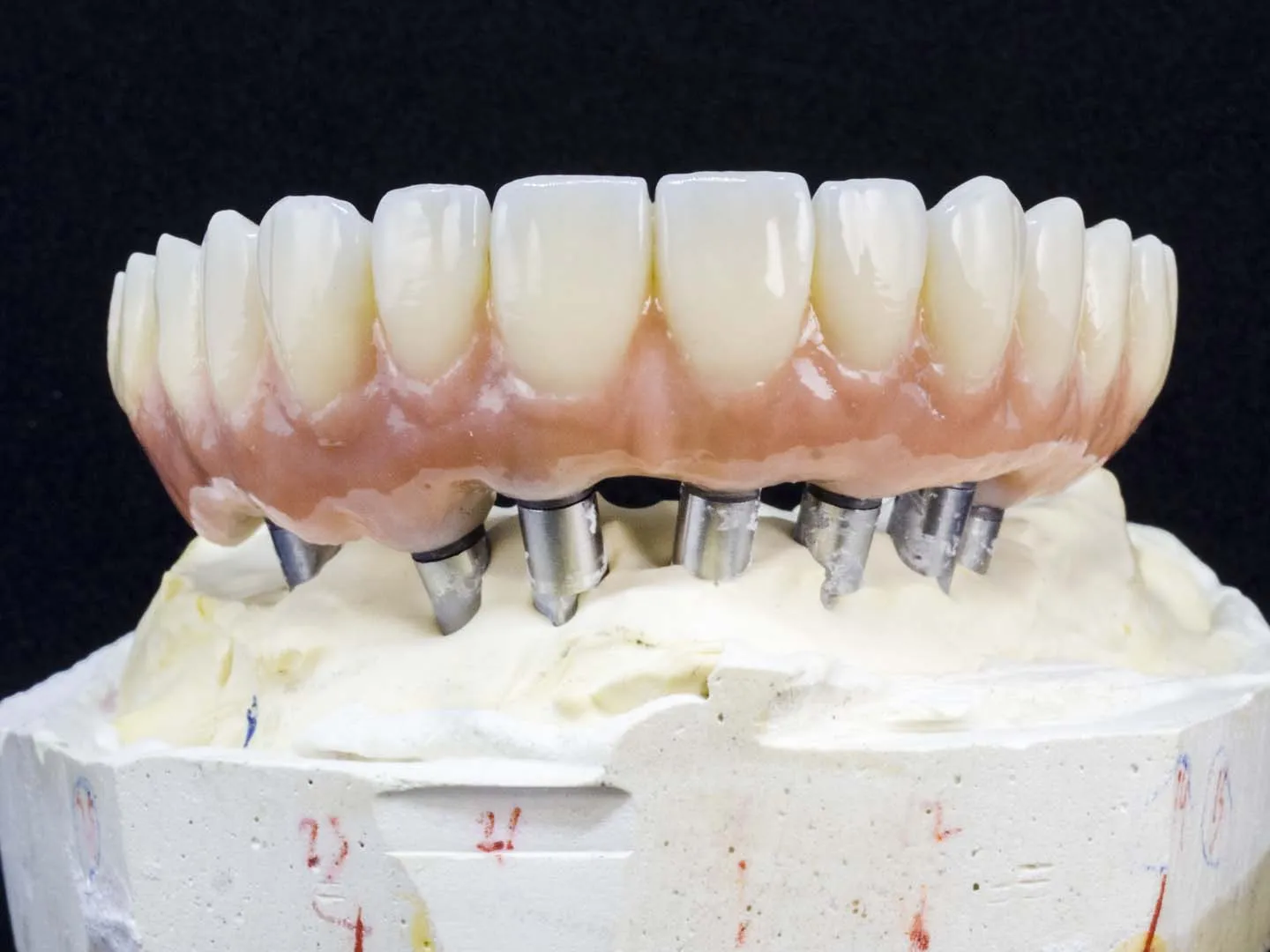
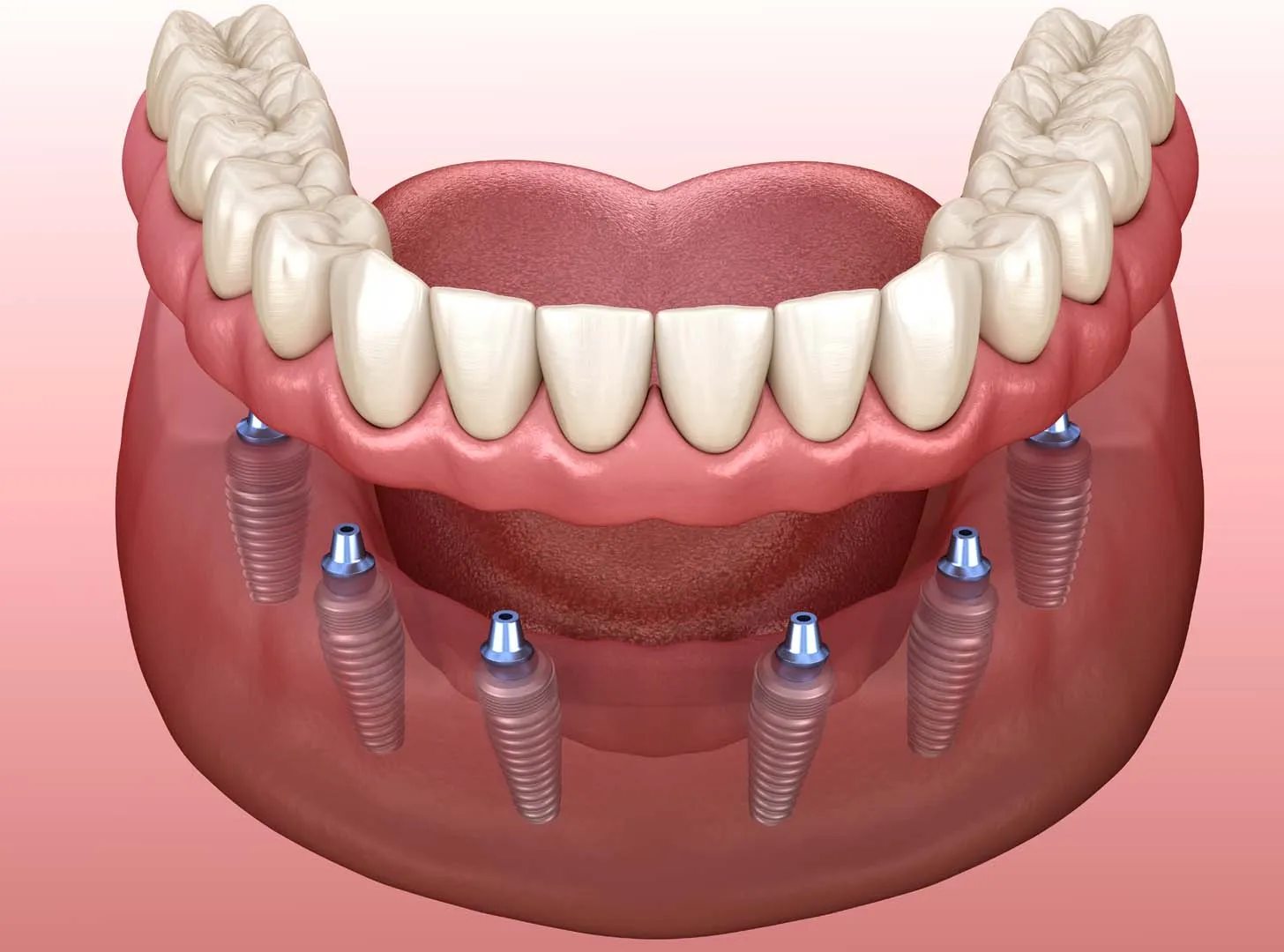
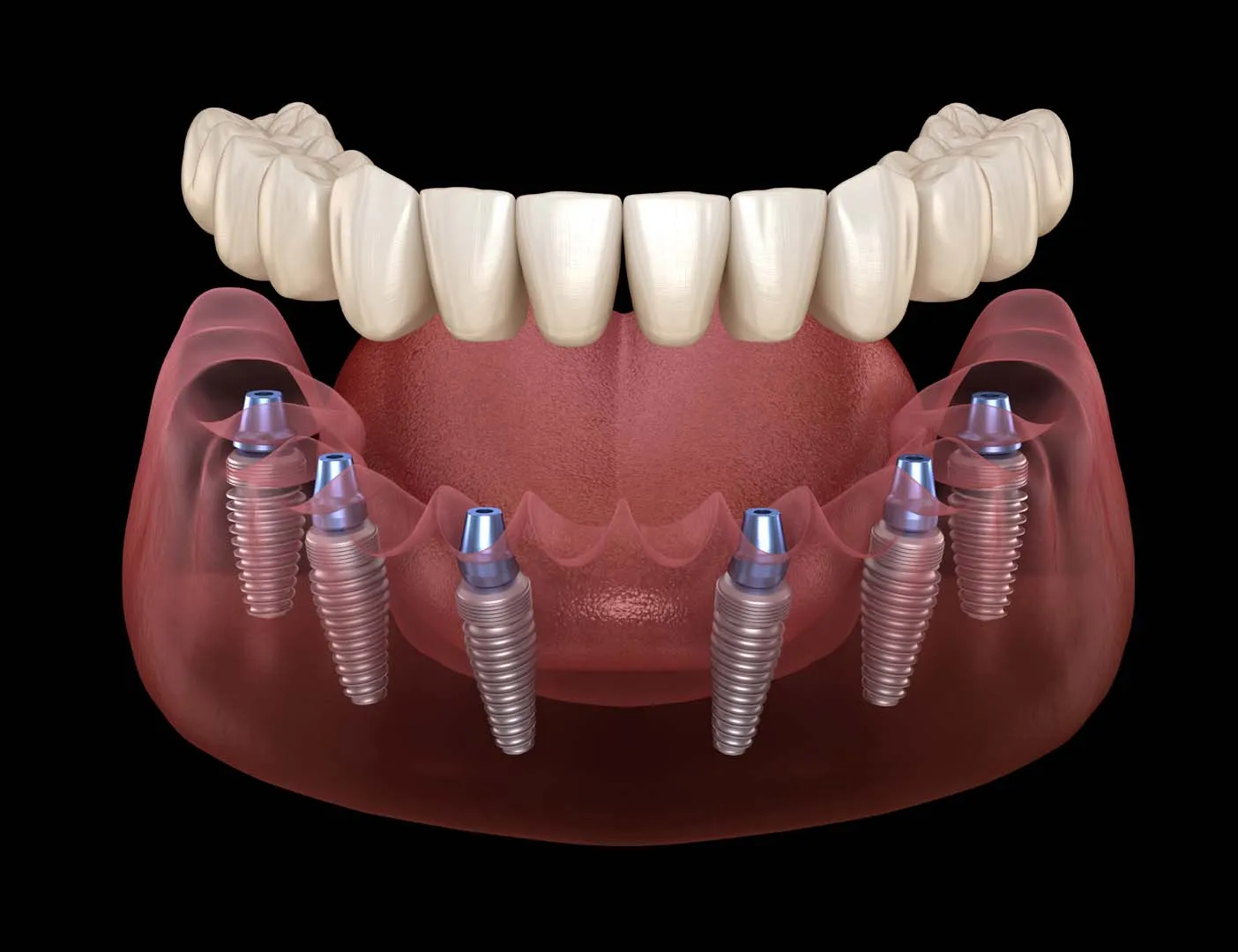
Implant-supported dentures are a full or partial denture that connects to implants placed in your jawbone, rather than resting loosely on your gums the way a conventional denture does. The implants act as anchors, so the denture holds steady when you eat, speak, or smile. You'll see this treatment described a few different ways online: implant dentures, implant retained dentures, or snap in dentures irvine ca searches often turn up, and in everyday conversation people tend to use these terms interchangeably.
There's a real distinction worth understanding, though. A denture that snaps onto implants and can be taken out by the patient for cleaning is usually called an implant overdenture. A version that's more fixed to the implants, removed only by your dentist, is more often described as implant-supported or implant-retained. Our Implant Overdentures page compares the removable option in more detail if you'd like to weigh both side by side.
Whether you've searched implant dentures irvine ca, implant supported dentures irvine, or implant retained dentures irvine, you're generally asking about the same family of treatment: a denture anchored by implants for better stability than a traditional denture offers. We'll help sort out which specific version fits your mouth and your goals during your consultation.
Benefits of Implant-Supported Dentures
Stability and Function You Can Count On
Because the denture is secured to implants instead of floating on gum tissue, it doesn't shift when you bite into food or talk. Patients who move from conventional dentures often tell us they can finally eat foods they'd avoided for years, apples, corn on the cob, even a good sandwich, without the denture sliding around.
Bone Preservation and Long-Term Oral Health
When a tooth root is lost, the jawbone beneath it starts to lose density over time because it no longer receives stimulation from chewing. Implants replace that root function, giving the bone something to work against, which helps preserve bone volume in a way a conventional denture simply can't.
A Natural Look and Feel Tailored to You
Your denture is custom fitted to your bite, jaw shape, and facial contours, so it looks like it belongs in your mouth instead of sitting on top of it. Many patients also notice that speech feels more natural once the constant worry about a shifting denture is gone.
What to Expect: Your Treatment Process at Smile By Design
Dr. Michael Choi, DMD
Prosthodontist & Specialist
Care Led by Irvine Specialist
Consultation and 3D Imaging
Your visit starts with a thorough exam and 3D CT imaging so Dr. Choi can evaluate your bone volume, jaw structure, and existing teeth. This gives us a clear picture of your candidacy and lets us map out implant positions with precision before any surgery happens.
Implant Placement and Healing
Implants are placed in the jawbone during a focused procedure, often with sedation options available for anxious patients. Healing typically takes a few months, during which the bone fuses to the implant, a process that gives the final denture its strength and stability.
Attaching Your Custom Denture
Once healing is complete, your custom denture is fitted and attached to the implants. We'll check your bite, your speech, and your comfort, making adjustments as needed until the fit feels right and functions the way it should.
Implant-Supported Dentures vs. Conventional Dentures
If you've already worn conventional dentures, you likely know some of their limitations firsthand. The table below lays out how the two options generally compare, though Dr. Choi can walk you through specifics for your own bite and bone structure at your consultation.
| Feature | Implant-Supported Dentures | Conventional Dentures |
|---|---|---|
| Stability / slippage | Anchored to implants, minimal movement | Rests on gums, can shift or slip |
| Bone preservation | Helps maintain jawbone through chewing stimulation | Bone loss continues over time |
| Maintenance | Cleaned like natural teeth plus routine checkups | Requires daily removal, soaking, and adhesive |
| Eating / speaking confidence | Generally more natural, fewer restrictions | Often limited with sticky or hard foods |
| Long-term cost | Higher upfront investment, longer functional lifespan | Lower upfront cost, more frequent replacements |
| Implant surgery required | Yes | No |
For a closer look at the conventional route, our Dentures page covers full and partial options in more depth. Many patients find that the added stability of implants is worth the initial investment once they've lived with a conventional denture for a while, but there's no single right answer for everyone.
Are You a Candidate for Implant-Supported Dentures?
Good candidates generally have enough jawbone to support implants and are in reasonably good overall health, though we've helped many patients who needed some preparation first. Gum disease, uncontrolled diabetes, and certain medications can affect healing, so we'll review your health history carefully. If bone volume has diminished from long-term tooth loss, bone grafting can rebuild the foundation needed for stable implant placement.
What Happens If You Delay Treatment?
Frequently Asked Questions About Implant-Supported Dentures in Irvine
How many implants are needed to support a denture?
Are implant-supported dentures the same as snap-in dentures?
Does insurance cover implant-supported dentures?
How long do implant-supported dentures last?
What is the difference between implant-supported and implant-retained dentures?

Considering a More Stable Way to Chew, Speak, and Smile?
If conventional dentures have left you frustrated, or you're simply exploring what's possible before you commit to a direction, Dr. Choi and our team are glad to walk through your options with you, at your own pace, with no pressure attached. Learn more about dental implants as the foundation of this treatment, or reach out to schedule a consultation.