5 Benefits of Seeing a Sleep Dentist for Sleep Apnea, Snoring, and Other Issues
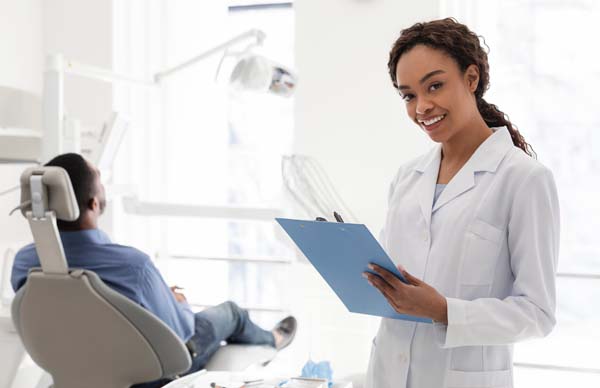
If you suffer from chronic exhaustion or loud, disruptive snoring, finding a qualified sleep dentist is the first step toward reclaiming your health. This type of dental professional is trained in dental sleep medicine and offers a unique perspective on your systemic health and wellness. Here are five benefits of seeing a sleep dentist for better rest and overall wellness.
1. Identifies sleep-related breathing disorders
A sleep dentist can identify clinical signs of obstructive sleep apnea (OSA) that other healthcare providers may overlook. These professionals spend significant time examining the mouth, allowing them to spot physical markers such as a narrow dental arch, an enlarged tongue, or wear patterns on the teeth caused by nocturnal grinding and clenching (bruxism). These physical traits are often associated with restricted airways and disrupted breathing cycles.
When a patient reports symptoms such as chronic morning headaches, a dry throat, or persistent lethargy, the dental professional will assess the risk of a more serious underlying condition. This assessment serves as a frontline defense, enabling them to conduct formal studies and diagnostic testing. Addressing these concerns as they first appear can also prevent secondary health issues like hypertension or cardiovascular strain.
2. Offers custom-fitted oral appliance therapy
Many individuals diagnosed with sleep apnea find it difficult to tolerate a continuous positive airway pressure (CPAP) machine. The noise, restrictive mask, and forced air can lead to low patient compliance. Fortunately, a sleep dentist provides an alternative known as oral appliance therapy. These devices are not generic mouthguards; rather, they are medical instruments engineered to fit the patient's unique anatomy.
By gently moving the lower jaw forward or stabilizing the tongue, the appliance prevents the soft tissues in the back of the throat from collapsing. This support keeps the airway open and stable throughout the night. Additionally, the device is small and does not require electricity, offering convenience and supporting long-term success.
3. Recommends specific ways to restore the quality of sleep
Disrupted breathing hinders deep sleep stages, causing the brain to wake frequently and diminishing restorative rest. A sleep dentist can stabilize the airway, reducing apneas and improving sleep efficiency, leading to the following health benefits:
- Increased mental clarity and focus
- More stable mood regulation and reduced irritability
- Improved immune system and physical recovery
- Reduced morning grogginess
- Decreased strain on the heart and circulatory system
- Reduces loud snoring and sleep interruptions
Consistent airflow maintains stable oxygen levels, allowing the heart and brain to fully rest. Once the sleep cycle is restored, the body can finally perform the essential cellular repair that occurs during deep and REM sleep.
4. Provides a non-invasive approach to airway management
Surgical interventions for snoring or apnea often involve significant discomfort and long recovery periods. Conversely, the treatments offered at a specialized dental office are conservative and non-invasive. There is no need for anesthesia, incisions, or downtime when starting oral appliance therapy. The process focuses on gradual adjustments to keep the jaw in the most effective and comfortable position possible.
Regular follow-up appointments allow the dental team to monitor the progress of the patient and make fine-tuned modifications to the device. This proactive management ensures that the treatment remains effective even if the patient experiences changes in weight or oral health. By prioritizing a manageable, reversible solution, the dental professional makes high-quality sleep accessible without the complications associated with major surgery.
5. Understands the connection between sleep and overall wellness
Chronic oxygen deprivation triggers a stress response in the body, which can lead to systemic inflammation and metabolic imbalances. A sleep dentist works with the patient's primary care providers to ensure comprehensive care for the patient's overall well-being. This collaborative approach addresses the root cause of the patient's breathing obstruction rather than masking the symptoms.
Maintaining a clear airway can lower an individual's risk of type 2 diabetes and stroke. The reduction in systemic stress also supports healthier blood pressure levels and improved cardiovascular performance. Investing in dental sleep medicine is not only about reducing snoring. It allows patients to protect the vital organs from the cumulative damage of poor nighttime respiration.
Reclaim your energy at night
Reclaiming your sleep and protecting your overall health starts with an open and honest conversation about how you breathe at night. If you are ready to explore a comfortable alternative to traditional sleep apnea treatments, our team at Smile by Design Dental Group is here to help. Call our Irvine office today to schedule a consultation.
Request an appointment here: https://www.implantdentistirvine.com or call Smile by Design Dental Group at (949) 336-3404 for an appointment in our Irvine office.
Check out what others are saying about our services on Yelp: Read our Yelp reviews.
Related Posts
Dental veneers are quick dental restorations that can renew your smile. Each shell can add another layer of protection to every tooth. Knowing the steps of getting these restorations can help you prepare for your appointments. Here are the details of the process of getting dental veneers.The dentist will decide if the patient is a…
An assessment for dental veneers can tell your dentist if you need these restorations. Veneers are customizable and thin. Each shell can correct mild to moderate dental issues. Here are the details to know when your dentist may suggest dental veneers.Even if other dental restorations can repair these mild types of damage, dental veneers are…
Full mouth dental implants are typically recommended to people who have lost most of their teeth on one dental arch. It combines implants with dentures, providing a more affordable option than replacing all the missing teeth with implants. Dentures are more affordable than implants, but they have a few significant drawbacks. For starters, bottom sets of…
Dental veneers are often more advantageous than other cosmetic dental procedures. Some cosmetic dental procedures are quick but need retreatment. Others need preparation and months to be effective. Veneers take a short time to get but can last for at least a decade with proper care and maintenance. Knowing the benefits of these restorations over…